SF Standard – Lurie welcomes federal regulation of Waymo and robotaxi industry
The mayor is backing a bill from Rep. Kevin Mullin that would require autonomous vehicle companies to improve their performance during emergencies.
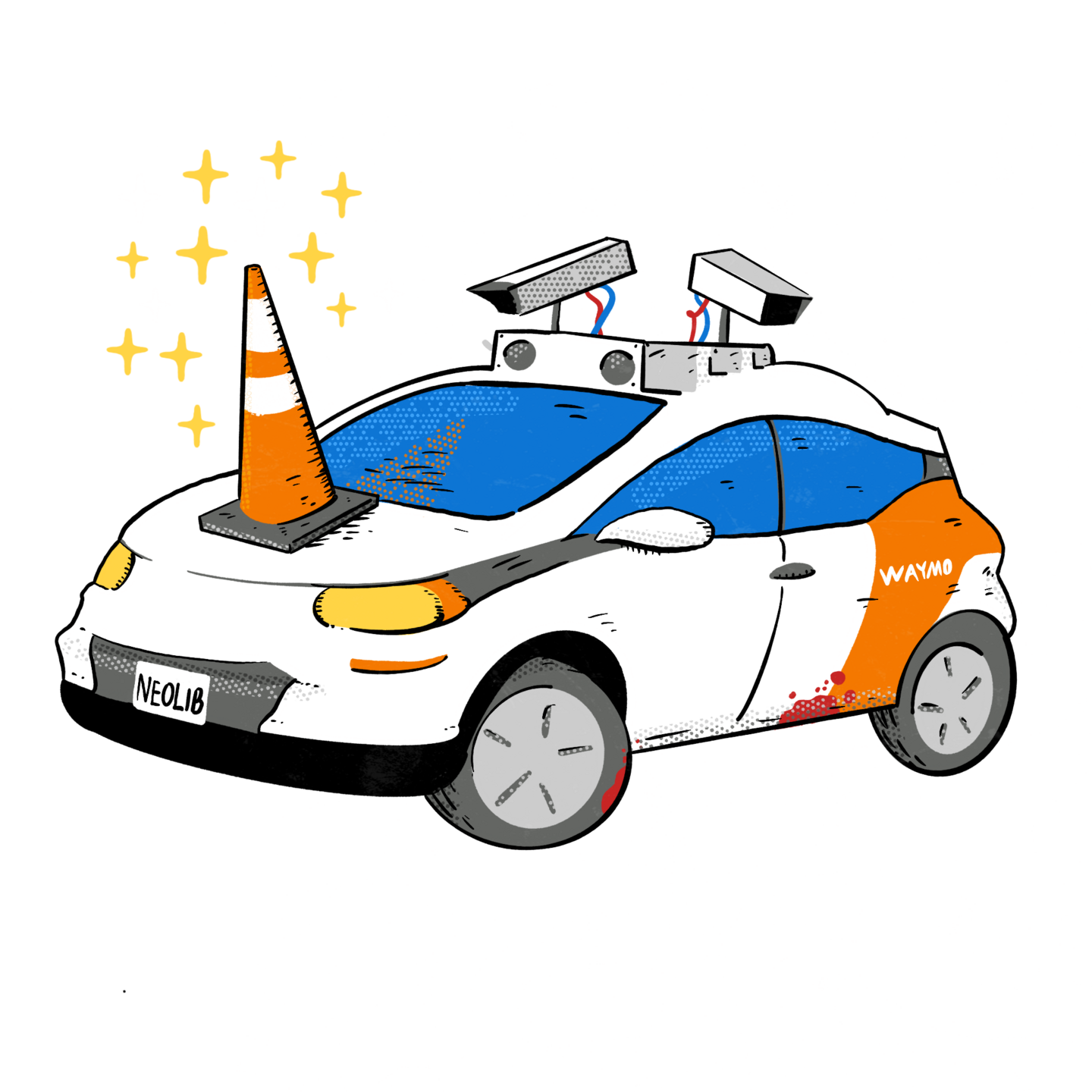
Editors note: Great that SF Mayor Lurie is finally realizing that robotaxis need better regulation. Unfortunately instead of doing something about the problem locally (e.g. restrict robotaxis from large events) he passes the buck to legislation that will not pass, making it look like he is doing something when actually he is not. But he will surely get lots of Instagram miles off of this one.
See original article by Michael McLaughlin, Jessica Blough, and George Kelly at SF Standard
Mayor Daniel Lurie is calling for stricter federal regulations governing self-driving cars after a string of high-profile robotaxi breakdowns exposed what he says are gaps in California’s oversight of the fast-growing industry.
Lurie plans to back legislation by Rep. Kevin Mullin, a Democrat who represents parts of the city and San Mateo County, to improve how Waymos and other robotaxis interact with first responders.
Waymo meltdowns during the July 4 fireworks display and December blackout have been a black eye for the company and a source of frustration for San Franciscans. Lurie penned a letter to state officials this month urging them to pass stricter robotaxi regulations.
The federal proposal would require autonomous vehicle companies to demonstrate core operational capabilities before expanding service, including the ability to clear disabled vehicles from traffic lanes and adjust routes in real time during emergencies.
If passed, the Autonomous Vehicle Emergency Response Coordination Actwould require creating a 24-hour hotline for officials to communicate with the AV companies while responding to incidents.
The law would mandate that robotaxi companies create and share an emergency response plan and a process for geofencing, or preventing the cars from entering the area of an active emergency or hazard.
“San Francisco is the global center of innovation, and we’ve been on the cutting edge of autonomous vehicles and street safety. Because we were one of the first cities to welcome autonomous vehicles at scale, we have learned more than almost any other city about how they operate in a dense, complex urban environment,” Lurie said in a statement. “This legislation will help keep San Franciscans safe while taking the lessons we’ve learned to the rest of the country.”
San Francisco Fire Chief Dean Crispen and Advocates for Highway and Auto Safety President Cathy Chase are also backing the bill.
Waymo did not respond to a request for comment.
During the city’s Fourth of July fireworks celebration, which drew more than 100,000 spectators to the waterfront, dozens of Waymo vehicles became stranded in gridlock, with some running out of power and blocking key streets. A similar breakdown occurred during a citywide power outage in December.
Transportation advocates in San Francisco said the July 4 disruption underscored long-standing concerns about accountability as autonomous vehicles multiply on city streets.
San Francisco Fire Department records obtained by The Standard reveal repeated occurrences of Waymos blocking firetrucks and paramedics and delaying response time to emergencies.
In July, Jonathan Morrison, administrator of the National Highway Traffic Safety Administration, wrote a letter to robotaxi companies saying the agency had “identified a clear pattern of driverless AVs interfering with law enforcement and other first responders.”
Any company seeking to operate robotaxis in California must clear permitting processes overseen by both the state Department of Motor Vehicles and the Public Utilities Commission — a stricter framework than in Texas, Arizona, and other states. Six companies hold permits to test driverless vehicles without a human safety operator in California.
See original article by Michael McLaughlin, Jessica Blough, and George Kelly at SF Standard