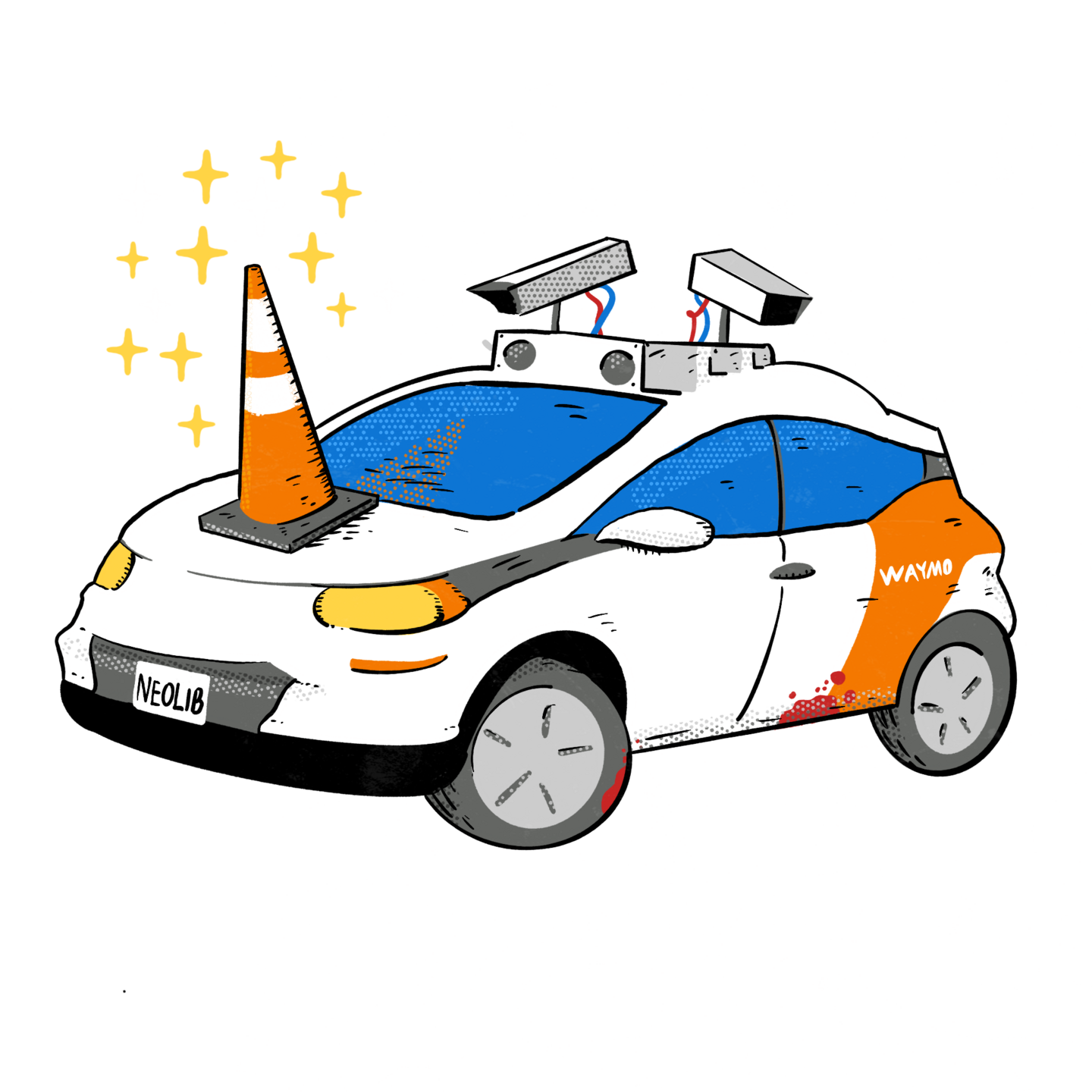
NHTSA sends letter to robotaxi companies telling them to quit interfering with emergency responders
Key statements:
This is unacceptable. To state it bluntly: an AV that cannot safely interact with first responders is
Jonathan Morrison, Administrator, HHTSA
a danger to the general public.
Let me be clear: the inability to detect and appropriately respond to such situations represents a functional insufficiency. Emergency scenes are not rare or extreme “edge cases.” As such, NHTSA is today issuing a call to action for AV developers and operators to immediately focus their resources on fixing this issue.
Jonathan Morrison, Administrator, HHTSA
The full letter:
The National Highway Traffic Safety Administration (NHTSA) recognizes and supports the immense potential of automated vehicle (AV) technology to reduce human error and improve safety on our Nation’s roadways. We have backed up that belief with action: launching a major AV Framework, leveling the playing field so American innovators are not subject to stricter rules than foreign competitors, slashing redundant red tape, and hosting the agency’s first ever AV summit.
As exciting as these innovations are, our fundamental responsibility remains ensuring the safety of the driving public. Under Secretary Duffy’s leadership, this Goldilocks approach – removing roadblocks to technological change while staying laser focused on safety – will enable America to lead the way in this automated revolution.
But we will never achieve that goal if we ignore a recent, disturbing trend. Over the past several months, NHTSA has identified a clear pattern of driverless AVs interfering with law enforcement and other first responders. The agency has documented multiple instances in which AVs drove directly into active emergency scenes, blocked the paths of ambulances and firefighters, or failed to recognize and respond to basic safety conditions like flashing lights, flares, smoke, fire, and traffic cones.
This is unacceptable. To state it bluntly: an AV that cannot safely interact with first responders is a danger to the general public.
Every second matters when law enforcement officers, firefighters, or paramedics are answering a call because lives are on the line. That is why human drivers who impede these operations are subject to fines and even jail time.
So, when an AV disrupts first responders or impedes an emergency vehicle, it ceases to be a minor software anomaly. The technology driving alongside them must support their efforts and get out of the way, not disrupt their life saving mission or compound the dangers they face.
Let me be clear: the inability to detect and appropriately respond to such situations represents a functional insufficiency. Emergency scenes are not rare or extreme “edge cases.” As such, NHTSA is today issuing a call to action for AV developers and operators to immediately focus their resources on fixing this issue.
We expect you to prioritize first responder interactions and will schedule meetings with driverless automated driving system developers by month’s end to hear your solutions. NHTSA has already been active in this space and will continue to exercise our enforcement authority for developers that do not address significant safety concerns. Public trust on our roads is earned, not given.
Our agency looks forward to collaborating with you on this vital challenge. From reducing roadway fatalities to helping disabled Americans get where they need to go, AV technology has the power to radically transform our roads for the better. Working together, we can continue to unleash American innovation safely and bring about one of the greatest technology advancements in modern history.
Sincerely,
Jonathan Morrison
Administrator